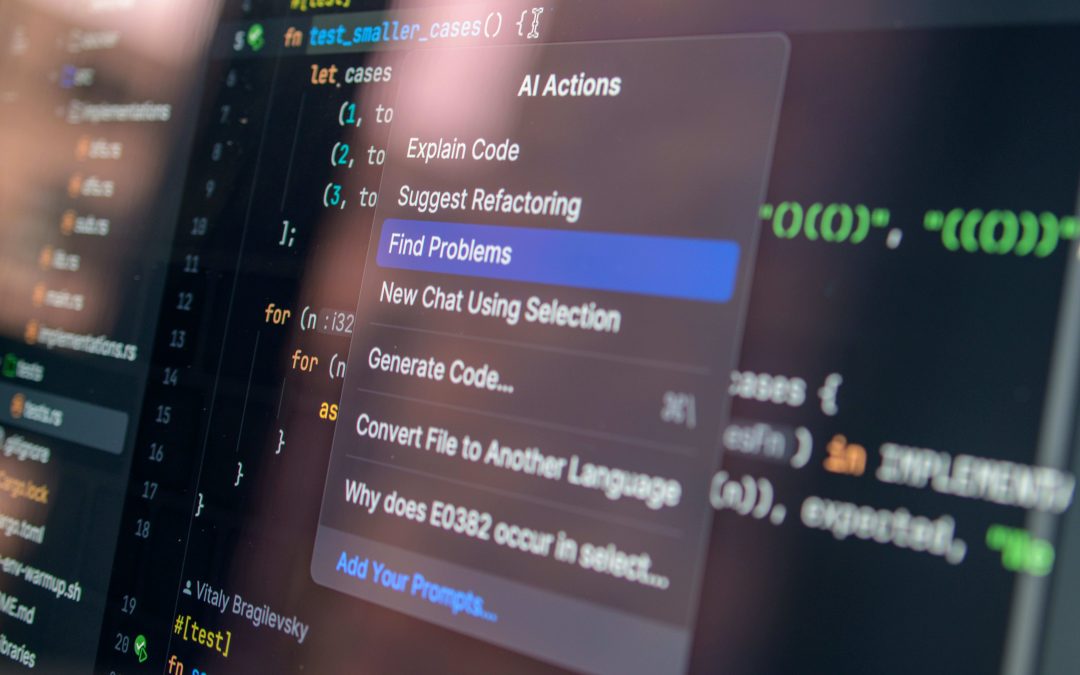
The crypto trader’s nightmare is rapidly evolving: as AI-driven bug bounty submissions accelerate, protocol teams and traders alike face mounting uncertainty over what is real, what is noise, and how fast a newly discovered vulnerability could trigger chaos. The fear of liquidation and missing a profit opportunity is now amplified not just by market volatility, but by mountains of AI-generated security reports—some genuine, many pure slop. Forget sleeping easy; AI-driven bug bounty submissions are causing sleepless nights for security teams and DeFi project founders across Web3.
Across leading blockchain protocols and exchanges, the flood of AI-driven bug bounty submissions is reshaping the entire security landscape. It’s a double-edged sword: AI enables faster detection of flaws, but also generates an overwhelming tide of false positives. HackerOne’s latest annual stats show an all-time record in valid reports, yet even more invalid ones clog triage processes. Traders beware—this is the new battleground where your alpha is protected, or vaporized, in minutes.
[[AD_SLOT]
AI-Driven Bug Bounty Submissions: Stats and Real-Time Market Impact
Live research reveals the numbers are stark. According to HackerOne’s 2025 Security Report, the platform registered over 85,000 valid bug bounty submissions last year—a seven percent increase. But the real headline is the volume spike: Cosmos Labs, a leading DeFi protocol, experienced a 900% growth in submission volume in 2025. That’s 20-50 new reports daily, with many driven by AI automation tools scraping code repositories and smart contracts.
Komodo Platform CTO Kadan Stadelmann confirms a similar trend across the Web3 vertical: “There has definitely been an increase in low-quality bug bounty submissions, some of which have been false positives, potentially suggesting AI sourcing.” This lower barrier to entry, enabled by AI-driven bug bounty submissions, means codebases are being scanned around the clock by bots and machine-learning engines, but the signal-to-noise ratio is dropping fast.
- DefiLlama data shows over $17 billion lost to hacks in the last decade, making bug bounty programs crucial as the stakes rise.
- Curl, a foundational open-source tool used in many blockchain apps, shut down its bug bounty in January 2026 after being overwhelmed by “AI slop.”
- Key protocols report that actual vulnerabilities are sometimes overlooked amidst the avalanche of AI-driven reports.
Crypto traders should monitor this activity: projects bogged down by junk reports can delay patching real vulnerabilities, exposing assets to exploit risk and volatility that can wipe out even tight stop-losses.
How AI Automation Changed Bug Bounty Economics
AI-driven bug bounty submissions turned vulnerability discovery from a niche expertise into a mass-market activity. Machine learning models parse thousands of smart contracts nightly, searching for known exploit patterns, deprecated calls, and poorly implemented consensus rules. This change dramatically reduces the cost and speed of generating a bug report.
- Automated report generation: AI bots crawl GitHub, Etherscan, and private code archives, submitting potential bugs at scale.
- Hallucination risk: Large language models can invent issues, flagging non-existent vulnerabilities and bloating triage time.
- Reward targeting: High-profile bounties from platforms like Immunefi and HackerOne are increasingly attracting AI-powered submissions, reshaping incentive dynamics.
Top projects now see waves of bug bounty reports mostly driven by automation, not manual research. For teams, this means spending more on review personnel, triage automation, and sometimes new AI-based defensive layers. For traders, projects that lag in adoption may be more exposed to exploit-driven price dumps.
Protocol Security Teams Face Operational Overload
The flood of AI-driven bug bounty submissions has real costs for security teams. Protocols and exchanges reliant on bounty programs are now scrambling to filter the wheat from the chaff. Cosmos Labs recently announced tighter submission scoring, a prioritization for trusted researchers, and strategic partnerships with advanced triage providers.
Defensive Steps Protocols Now Take
- Implement stricter filters: Submissions undergo automated relevance scoring, with ‘trusted’ researchers prioritized.
- Adopt defensive AI: Platforms such as Komodo and Cosmos Labs deploy their own AI-powered screening to catch duplicates and false positives.
- Collaborate with bug bounty platforms: Integration with triage specialists like HackerOne, Immunefi, and OpenZeppelin to improve validation pipelines.
This operational overload is particularly critical for smaller teams, where the sheer report volume can overwhelm limited dev and security resources. Delayed vulnerability responses may become market-moving events, as live exploits cascade into price panic.
[[AD_SLOT]
The Bull and Bear Case: AI Bug Bounties for Crypto Traders
For experienced traders hunting 100x opportunities, the AI-driven bug bounty submissions dynamic is both a blessing and a curse. On the bull side, projects with robust programs—especially those rapidly adopting defensive AI—are signaling security maturity, a key factor in long-term DeFi and Web3 value. On the bear side, protocols slow to adapt face headline risk, vulnerability exploit attacks, and potentially catastrophic liquidity contractions.
Alpha Opportunities in Security-Driven Markets
- Monitor bounty program announcements: Fast-moving teams (e.g., Cosmos Labs, Komodo) are a signal of strong governance and resilience.
- Track bounty outcomes: High-profile payouts and successful triage drive positive market sentiment.
- Watch for exploit-driven pumps and dumps: Delays in triage can result in price dumps on exploit news, or pumps on successful patching.
Sentiment analysis shows that AI-driven bug bounty submissions are increasingly discussed across Telegram and Crypto Twitter, with traders eyeing projects for both risk and recovery potential.
The Next Evolution: AI as Defender and Offender
AI is not just the cause of bug bounty submission overload—it’s quickly becoming the solution. Defensive AI systems are being built to automatically sift through incoming reports, filter out “slop,” and pass only high-fidelity vulnerabilities to teams. Komodo’s Stadelmann suggests this is now essential: “Blockchain teams will have to create AI deterrents to sift through incoming bug bounties. The smaller the team, the bigger the problem.”
- Defensive AI: Machine learning models categorize submissions, flagging likely duplicates and low-value targets.
- Stricter standards: Bounty programs are updating their requirements for report details, proof-of-concept code, and exploitability analysis.
- Automation for triage: End-to-end workflows route valid submissions to dev teams, reducing human workload and response lag.
It’s a race: AI-generated exploits will keep increasing, and only teams that match automation with defensive AI will hold the line. Traders, prioritize projects that show leadership here—they’ll be more resilient to exploit-driven volatility.
[[AD_SLOT]
Risk Management: Protecting the Alpha
The explosion of AI-driven bug bounty submissions fundamentally changes the playbook for both protocol teams and speculators. For founders, upgrading security ops and adopting defensive AI is now non-negotiable. For traders, it’s vital to:
- Check protocol transparency: Look for regular security updates, triage timelines, and post-mortem disclosures.
- Follow bounty program progress: Track which projects adapt quickly, as exploit exposure is alpha risk.
- Monitor live data for hacks, bug bounty payouts, and AI-powered exploit trends on platforms like Immunefi and HackerOne.
- Set alert thresholds: Rapid spikes in bug bounty activity often precede exploit attempts, liquidity shocks, and price dumps.
- Diversify: Avoid concentrating in protocols with overwhelmed security teams or poor bug bounty practices.
Decentralized finance is a zero-sum game—every missed vulnerability is an opportunity for someone else. Staying ahead means understanding the narrative, tracking the AI-driven bug bounty submissions trend, and aligning your trading and security strategy accordingly.