Introduction: Understanding Speculation Cycles in Cryptocurrency
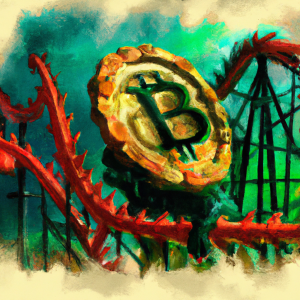
The cryptocurrency market has exhibited considerable volatility since its inception. Among the phenomena observed is the emergence of speculation cycles, often referred to as “supercycles,” characterized by intense periods of market hype, rapid price appreciation, and subsequent corrections. These cycles impact investor behavior, market liquidity, and token valuations.
This guide offers a comprehensive exploration of speculation supercycles in the cryptocurrency space. We examine the foundational aspects of the digital asset ecosystem that contribute to such cycles, providing stakeholders with an academic and research-driven perspective to demystify market dynamics.
Publishing timestamp: 2024-06-06
Project Overview & Use Cases
Speculation cycles, while not a software project per se, represent a pattern of investor behavior and market dynamics important for all participants in the crypto economy. Understanding these cycles allows for better evaluation of project valuations, token launches, and trading volatility.
Key problems addressed by studying speculation cycles:
- Providing insight into market sentiment swings that influence asset prices beyond fundamental value.
- Understanding the role of hype, media coverage, and retail investor influx in driving price rapidities.
- Identifying sustainable factors versus ephemeral speculation to inform investment strategies and risk mitigation.
- Clarifying how different blockchain projects react to and survive through market overheating phases.
Use cases for this comprehension extend to institutional investment decision-making, project development lifecycle planning, and regulatory frameworks aiming to protect retail participants.
Tokenomics Deep Dive
Tokenomics—the economic model governing cryptocurrency tokens—is fundamentally affected by speculation supercycles. Token metrics can often amplify price movements during supercycles and either dampen or accelerate market corrections.
- Supply and Distribution: Speculation cycles interact strongly with token distribution models. Projects with concentrated token holdings or large allocations to founders and early investors may see amplified price swings as these actors buy or sell strategically during hype periods.
- Staking and Burning Mechanisms: Mechanisms like token burning and staking are designed to reduce circulating supply or incentivize holding, theoretically moderating volatility. A surge in token demand during speculation phases affects staking participation rates and burn frequencies, influencing token scarcity.
- Liquidity Provision: The influx of speculative capital often increases liquidity pool sizes temporarily. This liquidity influx can create arbitrage opportunities but also heightens exposure to impermanent loss for market makers.
During supercycles, tokenomics must be understood contextually—high transaction volumes or lockups may mask deeper fundamental weaknesses, while deflationary actions may support token value sustainability post-cycle.
Core Technology & Architecture
Although speculation cycles are primarily driven by market psychology, the underlying blockchain technology and architecture play a critical role in supporting or constraining market dynamics.
- Consensus Mechanism: Proof-of-Work and Proof-of-Stake systems offer varying degrees of security and scalability, impacting transaction throughput and user adoption during market surges.
- Scalability Solutions: Layer 2 approaches, sharding, and sidechains enable higher transaction volumes required to process speculative trading activities without bottlenecks.
- Cross-chain Interoperability: Bridges and interoperability protocols facilitate asset movement across chains, broadening speculation markets and amplifying cycle effects as capital flows into emerging protocols.
- Decentralized Applications (dApps): Ecosystem maturity influences speculation intensity; active DeFi, NFT, and gaming platforms can fuel or moderate investor frenzy by providing use cases beyond pure trading.
In essence, robust and scalable infrastructures help absorb market shocks and maintain transactional integrity during periods of extreme trading volume characteristic of supercycles.
Team & Backers Evaluation
The leadership and backers of projects profoundly affect market confidence and the trajectory of speculation cycles.
- Founders and Core Team: Strong technical and industry backgrounds enhance credibility, aiding investor trust during speculative phases. Transparent communication from the team minimizes misinformation that can exacerbate market fires.
- Advisors and Partners: Strategic partnerships with established financial or technological entities lend authority and can temper excessive speculation by focusing on real-world applications.
- Investors and Venture Backers: Large institutional backers can provide liquidity and long-term vision, but their selling behaviors during supercycles may trigger sharp corrections if perceived unfavorably.
- Community and Governance: Inclusive governance models and active communities can stabilize markets by reinforcing project utility and discouraging fad-driven speculation.
Evaluating these human capital components provides insight into how well projects might withstand or leverage speculative market periods.
Future Roadmap & Milestones
Projects and market observers should consider forthcoming developments that might influence the lifespan and intensity of speculation supercycles.
- Technological Upgrades: Launches of scalability solutions, protocol mergers, or enhanced security measures can renew investor interest or stabilize prices.
- Regulatory Clarity: Announcements of regulatory frameworks or compliance certifications may reduce speculative excess by increasing institutional participation.
- Market Expansion: Expansion into emerging markets or new blockchain applications can diversify speculation drivers from pure retail hype to fundamental demand.
- Token Utility Enhancements: Introducing staking rewards, governance participation, or improved token interoperability can increase intrinsic value, mitigating speculative volatility.
Roadmaps that clearly communicate milestones tied to real-world adoption tend to attract more sustainable investor bases, altering the nature of speculation supercycles.
Conclusion
Speculation supercycles are a recurrent feature of the cryptocurrency landscape, powered largely by investor psychology, media narratives, and technological innovation. A comprehensive understanding of their mechanics—rooted in tokenomics, technology, team dynamics, and strategic planning—provides invaluable clarity for market participants. Navigating these cycles responsibly requires rigorous analysis and an appreciation for the complex interactions between fundamental value and speculative forces.
Full Financial Disclaimer & Regulatory Status
Important: The information provided in this guide is for educational purposes only and does not constitute investment advice or a recommendation to buy or sell any financial instruments. Cryptocurrency investments carry a high degree of risk, including the potential loss of your entire investment capital. Interested parties should conduct thorough due diligence and consult with licensed financial professionals before making investment decisions.
Regulatory frameworks governing cryptocurrency vary by jurisdiction and are subject to change. Compliance with applicable laws and regulations is the responsibility of project teams and investors. The content herein does not imply any affiliation or endorsement by regulatory bodies.
⚠️ Investment Disclaimer: This article is for educational and informational purposes only and does not constitute financial, investment, or legal advice. Cryptocurrency and digital asset investments are highly volatile and may result in substantial losses. Always conduct your own research, understand the risks involved, and consult with qualified financial advisors before making any investment decisions. Past performance does not guarantee future results.